

Reintroducing time into architecture
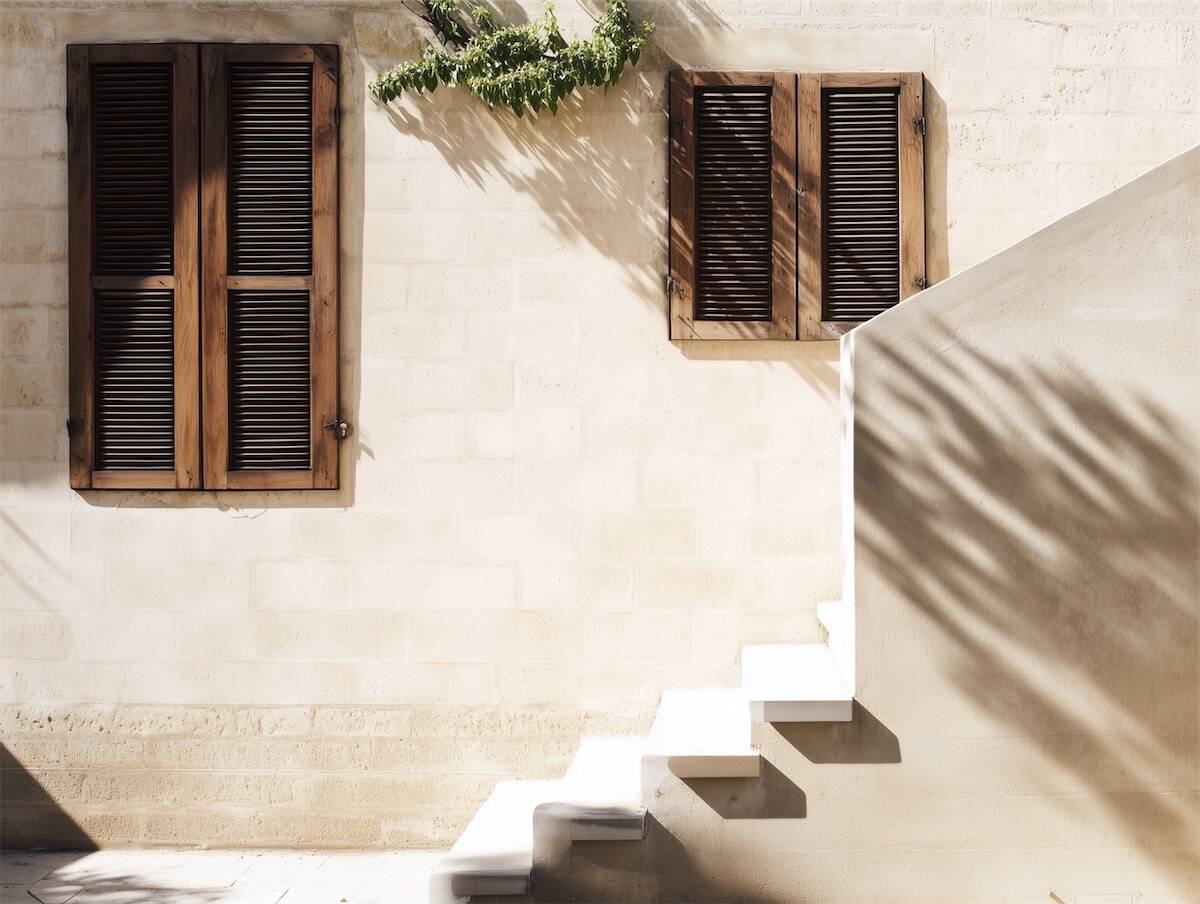
Contemporary architecture has lost time. Not the time it takes to build, but time as a living dimension.
Today we design buildings meant to function identically all year round, regardless of the seasons, light, climate, or the rhythms of the body. This pursuit of permanent use has gradually disconnected architecture from the living world — to the point that we have to compensate through technology for what space no longer engages in dialogue with time.
Yet time is not a secondary parameter. It is an invisible material of architecture.
For centuries, orientation, slope, paths and the relationship to water made the annual cycle legible without clocks or commentary. Walking, climbing, crossing a threshold — that already meant inhabiting time. Places knew how to open at certain periods and to withdraw at others. Not for lack of means, but out of accuracy.
Today, we do the opposite: we force uses, erase seasonality, and seek to keep everything active at all times. This logic carries an energy cost — but above all a cultural cost.
Reintroducing time into architecture means accepting that not everything need be active at all times. It means designing spaces that know when to open and when to fall silent. It means moving from a logic of continuous performance to a logic of accuracy.
In a world in search of meaning and sobriety, architecture carries a major responsibility: to teach humanity once again to inhabit time, not just space.